Source Air Tank for Suspension, Tanks, and Manufacturing
Find 30 listings for air tank products suitable for suspension systems, liquid storage, and manufacturing applications. Buyers can compare specifications like capacity, material, and certifications from verified suppliers in China.
Key considerations
Products List


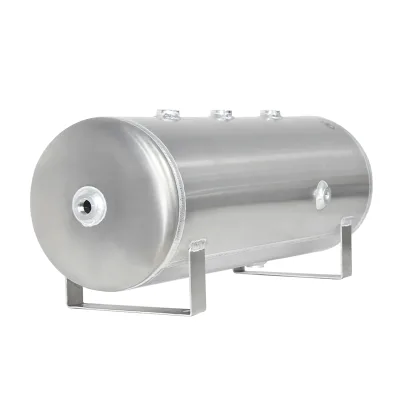
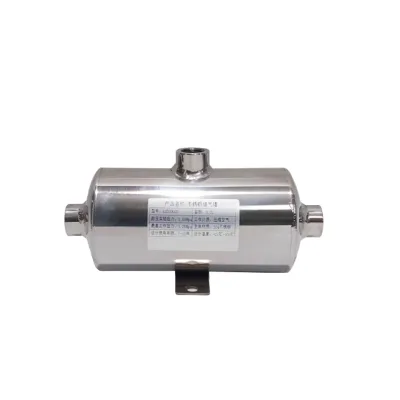
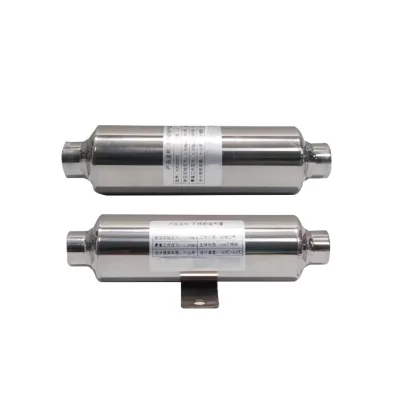


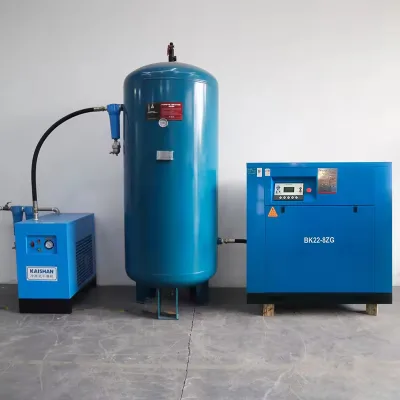


Comprehensive Sourcing Guide
Strategic Sourcing Guide for Industrial Air Tanks and Suspension Components
Understanding Product Variants and Technical Specifications
When sourcing air tanks for automotive suspension systems or industrial fluid storage, buyers must first navigate a complex landscape of technical specifications. The market presents distinct product categories that often share the core keyword "air tank" but serve fundamentally different operational roles. One primary variant is the Automobile Suspension Air Tank, specifically designed as a buffer for suspension systems. These units are engineered to operate within specific pressure and temperature envelopes to ensure vehicle stability and safety.
Technical observations indicate that these suspension components are available in various configurations, including models designated by volume such as 3 gallon and 5 gallon capacities. Some listings also reference specific volumetric models like 0.3cbm, 0.6cbm, and 1cbm, suggesting a range of industrial-scale storage solutions alongside automotive parts. The physical dimensions of these tanks vary significantly; standard packing dimensions are observed at 90x20x20cm, while the tanks themselves may have a Tank Diameter & Length that is customizable to the buyer's specific request, ranging from 1L to 100L in capacity.
Material composition is a critical differentiator. High-performance units often feature an Aluminium body, which offers an optimal balance of weight reduction and corrosion resistance. The surface treatment for these aluminium components typically includes Powder Coated, Polished, or Anodized finishes to enhance durability against environmental factors. Color options generally include Silver, Black, White, and Iron Color, though the specific finish often depends on the intended application environment.
Operating parameters define the functional limits of these tanks. For automotive suspension applications, the Working Pressure is observed at 200psi, while the Operating Temperature range spans from -40°C to 80°C. Other industrial variants may have a maximum working temperature of -10°C to 60°C. The structural integrity is often maintained through a Screw Type structure, and the internal configuration may include a Liquid Storage Tank component. Connection standards are equally vital, with observed thread standards including G1/4, G3/8, 1/4NPT, and 3/8NPT. Buyers must verify that the selected tank's thread standard matches their existing piping and valve infrastructure to prevent leakage or installation failures.
Compliance, Certification, and Regulatory Standards
Navigating the certification landscape is essential for ensuring that sourced air tanks meet international safety and quality benchmarks. The supply chain for these components, particularly those originating from China and specifically the Zhejiang province, is characterized by a diverse array of certifications. High-confidence data indicates that many suppliers adhere to ISO/TS standards, with specific references to ISO/TSOEM:Yes. This suggests a manufacturing process that aligns with automotive industry technical specifications.
Beyond the ISO framework, buyers should expect to encounter a broader spectrum of certifications depending on the target market. Some listings reference a comprehensive suite of standards including ISO, TS, OHSAS, ISO, GSV, GMP, BSCI, and ISOOEM:Yes. For products entering the European market, CE, E-Mark, and RoHS compliance are critical indicators of regulatory adherence. Additionally, certifications such as CCC, COP, and ISOCE may be present, reflecting compliance with specific regional safety and environmental regulations.
It is imperative for procurement teams to verify the validity of these certifications on a per-shipment basis rather than assuming they apply to all inventory under a single supplier. The presence of ISO/TS is a strong indicator of quality management in automotive contexts, but the specific application of these standards (e.g., whether they cover the raw material or the final assembly) must be confirmed. Buyers should request current certification documents and cross-reference them with the specific model number being purchased, as certification status can vary between product lines even within the same factory.
Cost Drivers and Pricing Structures
The pricing of air tanks is influenced by a confluence of factors, including material costs, customization levels, and order volume. The observed price range in the market is extensive, spanning from $1 to $10,000. This wide variance reflects the difference between small, single-piece automotive suspension buffers and large-scale industrial storage tanks with capacities up to 100 liters.
Several key drivers influence the final unit cost. First, the Body Material plays a significant role; aluminium tanks generally command a higher price point than steel alternatives due to material costs and the complexity of the required surface treatments like anodizing. Second, Customization is a major cost variable. Products listed with Customization: Available often incur higher unit costs due to the setup fees for non-standard dimensions, thread types, or volume capacities. The ability to request specific Tank Diameter & Length dimensions allows for tailored solutions but introduces variability in production costs.
Order volume is another critical determinant. The MOQ (Minimum Order Quantity) observed in the market ranges from 1 Piece to 100. While some suppliers offer low MOQs to accommodate prototyping or small fleet maintenance needs, larger orders typically benefit from economies of scale. The Packing method also affects logistics costs; options range from Neutral Box and Color Box to Carton Pallet and Carton Pallets. Bulk shipping on pallets reduces per-unit freight costs but requires higher upfront capital.
Buyers should also consider the Payment terms available, which often include TT, Paypal, Western Union, and Trade Assurance. These financial instruments can impact the effective cost of procurement by mitigating risk or offering financing options. Finally, the Delivery Time of 1-5 Days for certain items suggests that expedited shipping or local stock availability can be a premium service, whereas standard lead times for custom-manufactured units may extend beyond this window.
Typical Applications and Operational Environments
Air tanks serve diverse functions across multiple industries, primarily driven by their specific design attributes. In the automotive sector, the primary application is the Air Suspension System. These tanks act as buffers for suspension components, providing the necessary air volume to maintain ride height and absorb shocks. The Position of these tanks varies, with options available for both Front and Rear mounting on vehicles.
The compatibility of these tanks with specific vehicle makes is extensive. Observed data lists support for a wide range of manufacturers, including Kia, Mazda, Volvo, Lexus, Peugeot, Audi, Roewe, Geely, Cadillac, Chevrolet, Chery, Buick, Ford, Nissan, Jeep, Toyota, Honda, Hyundai, BMW, Benz, WuLing, and Volkswagen. This broad compatibility suggests that many suppliers produce universal or highly adaptable models, though buyers must verify the specific Car Model compatibility, such as Mk1, Mk2, MK3, and Mk4, to ensure a precise fit.
Beyond automotive use, these tanks are utilized in Manufacturing processes where compressed air storage is required. The Purpose is explicitly listed as "for Manufacturing," indicating their role in industrial automation and pneumatic systems. In these contexts, the Radiator Type and Water Temperature Sensor Type (e.g., Switch Type) may be relevant if the tank is part of a larger cooling or fluid management system. The Radiator Core Type is noted as Pipe Belt, and the system may be Air-cooled, highlighting the integration of air tanks into thermal management solutions.
The Condition of the products is consistently listed as New, and the Quality is described as High-Quality, implying they are intended for immediate deployment in operational environments. Whether used in a luxury vehicle suspension or a heavy-duty industrial compressor, the tank must withstand the specific Working Pressure and Operating Temperature of its environment to prevent catastrophic failure.
Supplier Evaluation and Verification Protocols
Evaluating suppliers for air tank procurement requires a rigorous approach to verifying claims and capabilities. Since the Product Origin is predominantly China, with a specific concentration in Zhejiang, buyers should focus on verifying the logistical and manufacturing capabilities of suppliers in this region. The Place of Origin is a key data point for assessing supply chain resilience and potential shipping costs.
A critical aspect of supplier evaluation is the verification of Certification claims. Buyers should not rely solely on marketing materials but must request physical or digital copies of ISO/TS, CE, E-Mark, and other relevant certificates. The presence of OEM:Yes indicates that the supplier is capable of Original Equipment Manufacturer services, which is vital for buyers seeking private-label solutions or custom specifications.
The Quality assurance process should be scrutinized. While listings claim High-Quality status, buyers must inquire about the specific Quality control measures in place. This includes checking for New condition guarantees and understanding the testing protocols for Working Pressure and Temperature resistance. The Weight of the product, observed at 5.1kg for certain models, serves as a baseline for verifying the density and material thickness of the tank.
Furthermore, the Packing standards are an indicator of supplier professionalism. Options like Carton Pallet and Carton Pallets suggest a readiness for bulk shipping, while Color Box or Neutral Box options may indicate a focus on retail or smaller distribution channels. Buyers should assess whether the supplier can provide the specific prod_packing format required for their logistics network.
Quality Control and Long-Term Procurement Considerations
Ensuring long-term value from air tank procurement involves establishing robust quality control (QC) protocols and planning for lifecycle management. The Condition of the product must be strictly monitored to ensure it remains New upon delivery. Any signs of corrosion, damage to the Powder Coated or Anodized finish, or defects in the Screw Type structure should be rejected immediately.
For long-term procurement, buyers should prioritize suppliers who offer Customization capabilities. The ability to request specific Tank Diameter & Length and Capacity (1L-100L) ensures that the inventory can adapt to future operational needs without requiring a complete system overhaul. The Standard of 3 gallon or 5 gallon should be treated as a reference point, with the understanding that custom requests are feasible.
Maintenance and replacement planning are also crucial. Given the Operating Temperature range of -40°C to 80°C, buyers must ensure that the tanks are suitable for their specific climate conditions. In extreme environments, the Maxworking Temperature of -10°C to 60°C might be a limiting factor, necessitating the selection of higher-grade materials or additional insulation.
Finally, the Delivery Time of 1-5 Days is a significant advantage for urgent procurement needs, but buyers should confirm if this applies to all models or only those in stock. For custom orders, lead times may vary. Establishing a relationship with a supplier who can balance rapid delivery for standard items with reliable lead times for custom work is essential for maintaining operational continuity. By adhering to these verification and planning strategies, buyers can mitigate risks and secure a reliable supply of high-performance air tanks for their specific applications.
FAQs
What certifications do air tank suppliers typically hold?
Many suppliers hold ISO/TS and OEM certifications. Additional standards like ISO, GSV, GMP, BSCI, CCC, and E-Mark may also be present depending on the specific product line and target market requirements.
Which car models are compatible with these suspension tanks?
These tanks support a wide range of manufacturers including Kia, Mazda, Volvo, Toyota, and BMW. Specific compatibility often covers models such as Mk1, Mk2, MK3, and Mk4 for various vehicle makes.
How much customization is available for air tank specifications?
Customization is available for tank dimensions, capacity, and thread standards. Buyers can request specific tank diameters and lengths ranging from 1L to 100L with options like G1/4 or 3/8NPT threads.
What is the minimum order quantity for purchasing air tanks?
The minimum order quantity ranges from 1 piece to 100 units. Some suppliers offer low MOQs for single-piece prototyping while others require bulk orders for standard industrial configurations.
Can I find air tanks with aluminum bodies and specific finishes?
Yes, aluminum body tanks are available with powder coated, polished, or anodized finishes. Color options typically include silver, black, white, and iron color to suit different environmental conditions.
What is the typical delivery time for these air suspension components?
Delivery times can be as short as 1 to 5 days for certain items. Lead times may vary for custom-manufactured units or larger orders requiring specific production scheduling.
Where are these air tanks primarily manufactured and shipped from?
Products originate from China, with a specific concentration in the Zhejiang province. This location influences shipping logistics and supply chain resilience for international buyers.